Following today’s release of the Senate inquiry’s final report into Australia’s illegal tobacco crisis, Lung Foundation Australia and the Thoracic Society of Australia and New Zealand are reiterating the need for a comprehensive national approach to reducing the harms caused by legal and illicit tobacco and nicotine products.
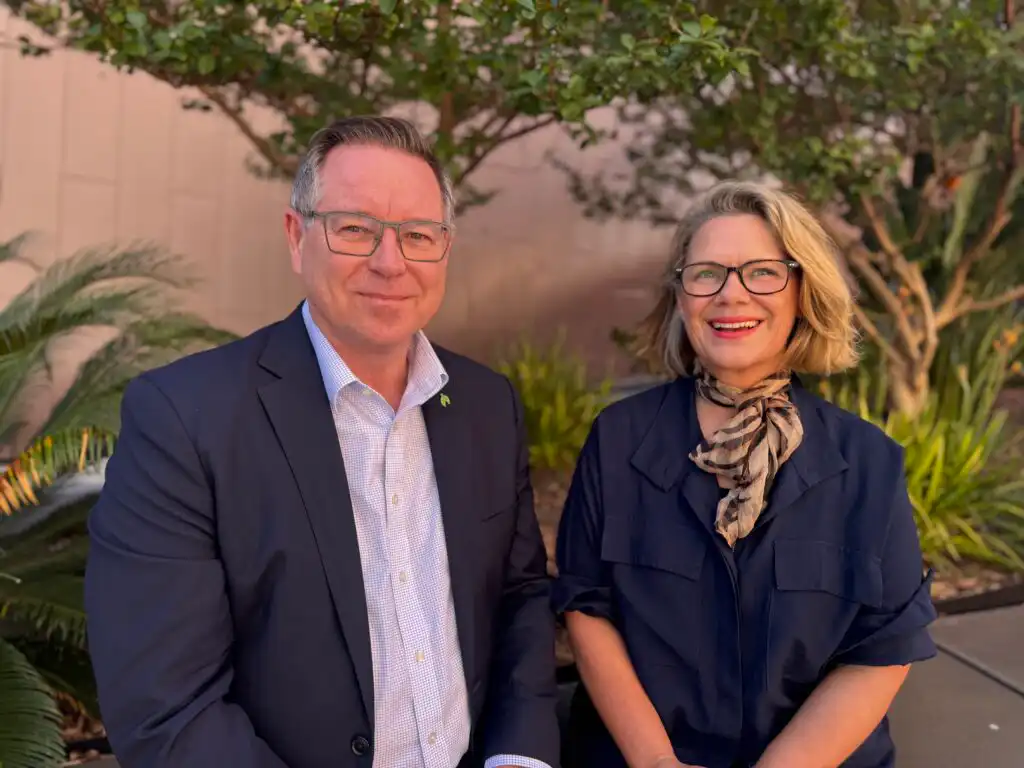
Lung Foundation Australia CEO Mark Brooke said illicit tobacco must be addressed through coordinated enforcement and continued investment in proven tobacco control measures.
“Illicit tobacco is a serious issue that requires firm action against the businesses and criminal networks profiting from illegal sales,” Mr Brooke said.
“Enforcement must be supported by measures that prevent uptake, reduce tobacco availability and help people overcome nicotine dependence.”
Thoracic Society of Australia and New Zealand CEO Vincent So said addressing illicit tobacco should be accompanied by continued investment in the evidence-based measures that reduce smoking and prevent lung disease.
“Every day, respiratory physicians across Australia care for people living with lung cancer, COPD, and other serious diseases caused by inhaled nicotine use,” Mr So said.
“That clinical experience tells us that tackling illicit tobacco cannot come at the expense of the measures that have helped drive smoking rates down over time.”
Lung Foundation Australia and the Thoracic Society of Australia and New Zealand acknowledge the significant reforms and increased enforcement action undertaken by the Australian Government to disrupt illicit tobacco supply and unlawful sales. These efforts provide a strong foundation for Australia’s ongoing response to the illicit market.
Building on this progress should include nationally consistent tobacco retail licensing and penalty frameworks, continued coordinated enforcement, and measures to reduce tobacco retail availability. Weakening or removing established tobacco control levers would risk undermining these reforms and the protections they provide for lung health and public health more broadly.
“Australia’s recent tobacco and vaping reforms are among the most significant public health measures implemented in recent years and are critical to protecting lung health across the community,” Mr Brooke said.
“Removing or weakening these measures would be a backward step that risks undermining progress in reducing smoking and vaping harms, particularly among children and young people.”
Lung Foundation Australia and the Thoracic Society of Australia and New Zealand support maintaining the tobacco excise as one component of a broader tobacco control framework.
“Quitting support must be accessible and affordable for everyone who needs it,” Mr Brooke said.
“No one should find that the cost of quitting is greater than the cost of continuing to smoke or vape.”
Lung Foundation Australia and the Thoracic Society of Australia and New Zealand are calling for expanded access to free nicotine replacement therapy, Quitline and behavioural counselling services, MBS-funded cessation support and other evidence-based treatments through primary care.
It also supports maintaining Australia’s pharmacy-only pathway for therapeutic nicotine vaping products that meet TGA requirements, where clinically appropriate for smoking cessation and with guidance from a healthcare professional. Lung Foundation Australia does not support a general retail sales model or e-cigarette use by people who do not smoke.
People experiencing nicotine dependence deserve compassionate, stigma-free support, alongside strong measures to protect children and young people from tobacco and nicotine uptake.
Lung Foundation Australia and the Thoracic Society of Australia and New Zealand will review the inquiry report in detail and provide further comment on its findings and recommendations as appropriate.
People seeking support to quit can contact Quitline on 13 78 48 or speak with their GP, pharmacist or another healthcare professional.
Was this page helpful?
Good job! Please give your positive feedback
How could we improve this post? Please Help us.