
What is LAM?
LAM is a rare lung disease. It causes abnormal cells to grow in the lungs and other parts of the body, including the lymphatic system and kidneys. Over time, these cells can cause cysts (air-filled sacs) to form in the lungs, making it harder for the lungs to work properly.
LAM can also affect the lymphatic system, which helps move fluid around the body. This may cause fluid to build up around the lungs or in the abdomen. Some people with LAM also develop non-cancerous growths in their kidneys.
There is currently no cure for LAM. However, research has led to better ways to diagnose and manage the disease. There are treatments that can help slow the disease and improve quality of life for many people living with LAM.
What does the name LAM mean?
The full name for LAM is lymphangioleiomyomatosis. The name describes parts of the body involved in the disease:
- Lymph refers to the lymphatic system.
- Angio refers to blood and lymph vessels.
- Leiomyo refers to smooth muscle-like cells that LAM cells resemble under a microscope.
Because the full name is long and difficult to pronounce, healthcare professionals and people living with the condition usually call it LAM
How does LAM affect the lungs?
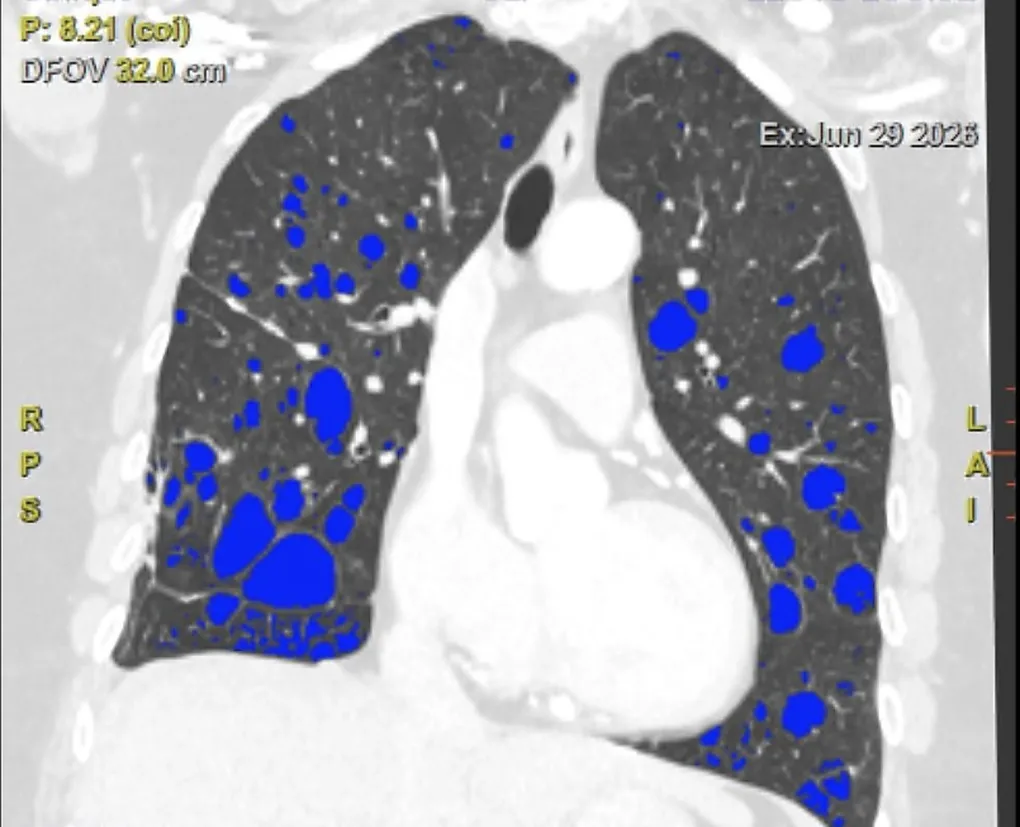
LAM develops when abnormal cells, called LAM cells, grow in the lungs. These cells can damage healthy lung tissue and cause cysts to form throughout the lungs.
As more cysts grow, it can become harder for the lungs to work properly. This may lead to symptoms such as breathlessness.
A high-resolution CT scan can show these cysts and is an important tool for diagnosing LAM.
Types of LAM
There are two types of LAM:
- Sporadic LAM occurs on its own and is the most common form of the disease. It is not inherited and cannot be passed on to children.
- LAM can also occur in people with tuberous sclerosis complex (TSC), a genetic condition that can affect several parts of the body. This type is called TSC-LAM. TSC is an inherited condition and can be passed from parent to child.
Who develops LAM?
LAM mainly affects women and is most often diagnosed during the reproductive years, although it can occur at any age.
Researchers are still working to understand why LAM develops. We know that changes in certain genes can cause LAM cells to grow and spread, leading to damage in the lungs and other parts of the body.
What happens over time?
LAM is a progressive disease, which means it can change over time. For many people, these changes happen slowly, but the way LAM affects each person can vary. Some people experience only mild symptoms for many years, while others may notice their symptoms become worse more quickly.
Although there is currently no cure for LAM, treatment options have improved significantly in recent years. Thanks to earlier diagnosis, improved monitoring and advances in treatment, many people with LAM are living longer and maintaining a good quality of life. Living with LAM can be challenging, but support and effective treatment options are available.
Helpful links
- The LAM Foundation – LAM Handbook (this is the link LAM Handbook – The LAM Foundation)
Help create a brighter future for the LAM community
The LAM community is raising $50,000 to support a dedicated LAM Clinical Fellowship. By donating you can help build specialist LAM clinical and research expertise in Australia, strengthening knowledge, care and future research for people living with LAM.
Was this page helpful?
Good job! Please give your positive feedback
How could we improve this post? Please Help us.