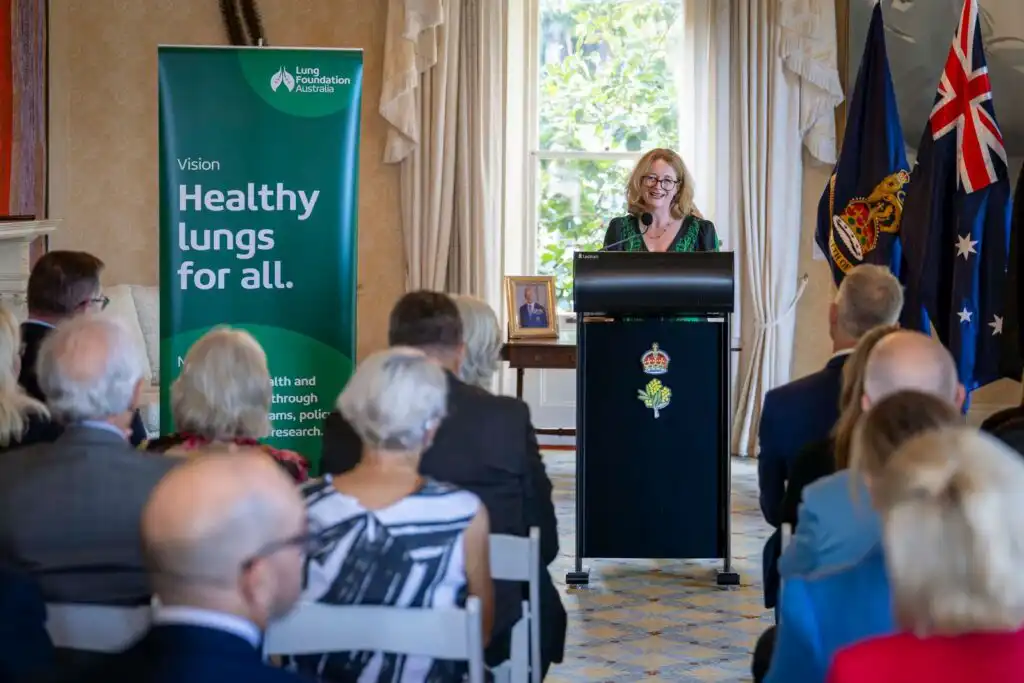
Lung Foundation Australia is calling on the Federal Government for urgent investment in Occupational Lung Disease (OLD) prevention, after new 2025 data revealed many workers exposed to silica dust are experiencing symptoms but not seeking medical advice.
Silica dust poses a risk to more than 600,000 Australian workers nationwide, across industries including construction, mining, tunnelling, quarrying and manufacturing.
The 2025 Healthy Lungs at Work Quiz, completed by 12,231 workers, highlights the scale and urgency of the issue:
- Over 90% reported encountering hazardous agents in their workplace
- 64% reported exposure to silica dust
- 54% reported exposure to dust from hard metals
- Approximately 70% reported experiencing at least one respiratory symptom
- Around 90% had not spoken to a doctor about workplace exposures
Lung Foundation Australia, General Manager, Policy, Advocacy and Prevention, Paige Preston, said the findings demonstrate the ongoing need for expert-led prevention and education initiatives.
“As the national lung health peak body, we know the consequences of inaction. Workers are being exposed to hazardous dusts and experiencing respiratory symptoms, yet most are not seeking medical advice,” Ms Preston said.
In addition to being an important education piece for workers, The Healthy Lungs at Work Quiz provides information and resources to encourage workers to have conversations with their doctors about their workplace and their respiratory symptoms. Over four thousand workers who recently completed the Quiz opted to receive this information, meaning these workers are receiving important health advice that supports them to have conversations with their doctor to encourage health monitoring or investigate symptoms.
“These findings make it clear that sustained investment in awareness campaigns, education, early detection, and support programs is critical. Without it, preventable lung disease will continue to affect thousands of Australian workers every year.”
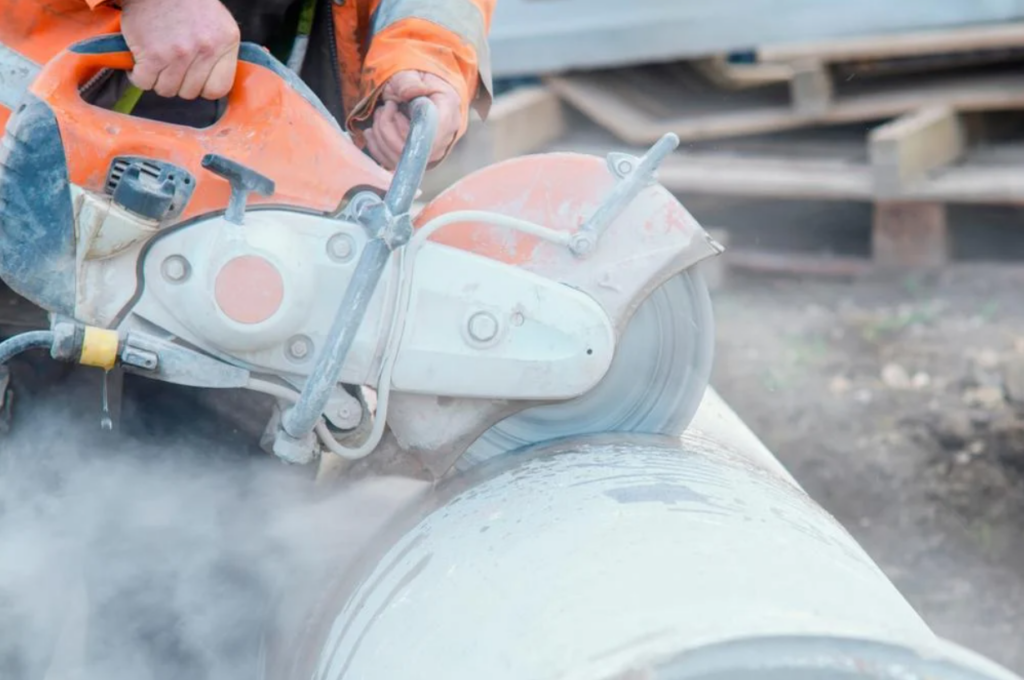
Silica is a common mineral found in materials such as stone, concrete, bricks and sand.
When these materials are cut, drilled or ground, they release fine particles of silica dust that can be inhaled deep into the lungs.
Prolonged exposure can scar lung tissue and lead to silicosis, an incurable but preventable disease.
Silicosis cases have been rising in Australia over recent years, particularly in industries involving engineered stone and construction.
While regulatory measures such as the ban on engineered stone containing at least 1% crystalline silica have reduced some risk, Lung Foundation Australia emphasizes that laws alone cannot prevent disease. Awareness, education, monitoring and support remain essential to protect workers.
From 2023-2025, Lung Foundation Australia’s National Silicosis Prevention and Awareness Campaign reached more than 25 million Australians and resulted in over 19,000 completions of the Healthy Lungs at Work Quiz.
Despite critical progress, hundreds of thousands of Australian workers remain at risk. The dangers and devastating health consequences remain. Sustained action and efforts are essential, that is why Lung Foundation Australia is calling on the Federal Government to commit to continued funding for this proven prevention campaign and support program in the May budget. This would ensure workers receive the protection and care they need.
Workers and employers can learn more about silica dust exposure and risks and how they can protect themselves on our National Silicosis Prevention and Awareness Campaign page. Our resources and information are also available in six languages.
Was this page helpful?
Good job! Please give your positive feedback
How could we improve this post? Please Help us.