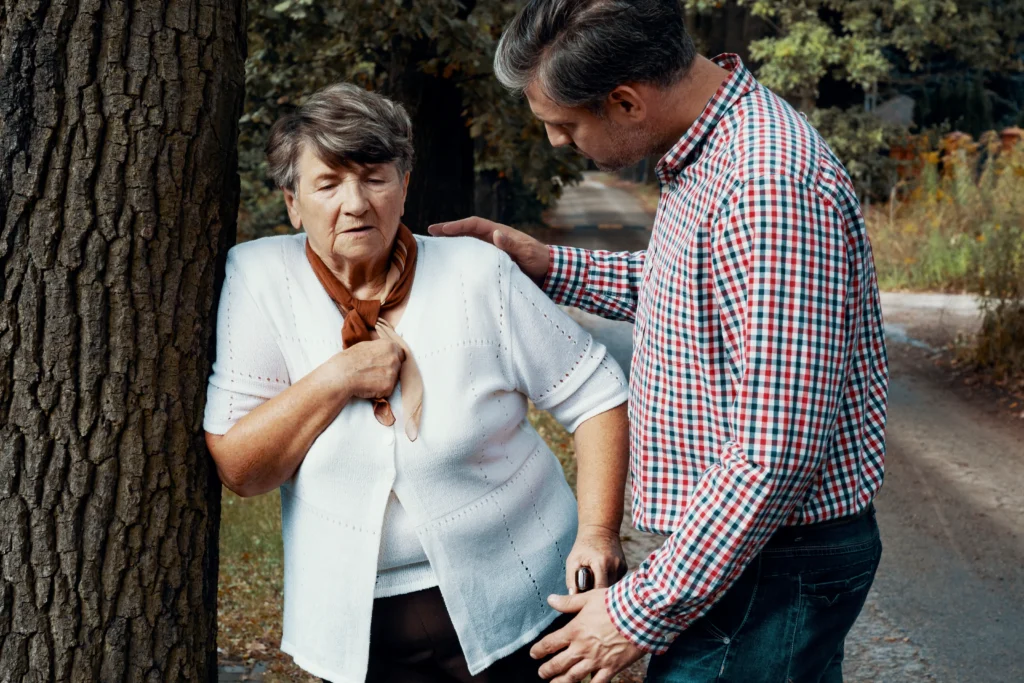
Understanding symptoms you cannot always see
Living with lung disease can be hard, especially when symptoms are not easy for others to see. A person may look well on the outside and still feel very unwell. For carers, family and friends, this can also be hard to understand. Many people want to help but may not know what to say or do.
Comments such as “But you don’t look sick!”, “You look well — are you feeling better now?” or “Aren’t you better yet?” are often meant kindly, but they can still feel hurtful. They may make a person feel unseen, not believed or unsure how to explain what they are going through.
The truth is simple: lung disease and its treatments can affect the body, mind and emotions in ways that other people cannot always see. Some symptoms come and go. Others can last for a long time after treatment or a flare-up.
Why symptoms can be hard to see
Some people may think serious illness should “look” a certain way. For people living with lung disease, there may be visible signs of illness, while for others, the signs are hidden. This does not make the symptoms any less real.
Symptoms and side effects may be caused by lung disease, treatment or medicines. They can include:
- extreme tiredness
- nerve pain or numbness
- ongoing pain
- brain fog, trouble thinking or remembering
- stress, worry or anxiety
A helpful way to understand this is to think about a car. If your car needs oil, the oil needs to go into one place. If you pour oil over the whole car, it may reach the right spot, but it will also affect everything else. Illness and treatment can be like this. They may treat one part of the body, but the whole body can still feel the impact.
Fatigue is more than feeling tired
Fatigue linked to lung disease is different from feeling tired after a busy day. It can make everyday tasks, like getting out of bed, having a shower, making food or concentrating, feel very hard. Rest does not always fix it. If fatigue is affecting daily life, talking with a health professional or support team may help.
What helps
Whether you are living with lung disease or supporting someone who is, the words we use matter. Helpful conversations start with listening, believing the person and making space for honest feelings.
- Instead of saying “Stay positive,” try asking, “How are you really feeling today?”
- Instead of saying “It could be worse,” try saying, “That sounds really hard. I’m here with you.”
- Instead of saying “Shouldn’t you be better by now?”, try saying, “I didn’t realise recovery can take so long. What would help today?”
For people living with lung disease, it can help to share what feels useful and what does not. For carers, family and friends, it can help to ask rather than assume. The conversation can move from “But you don’t look sick!” to “How can I support you better?”
Helpful ways to support each other
Support does not need to be complicated. Small things can make a big difference, such as kind words, practical help and taking time to listen.
It can help to:
- listen without interrupting
- believe what the person is saying
- ask what support would feel helpful
You don’t need to have perfect words. Being kind, patient and willing to listen can help someone feel understood and less alone.
Get support
Call Lung Foundation Australia on 1300 654 301 to connect with nurse-led services, support groups, social work support and other helpful services. These services can help people living with lung disease, carers, family and friends better understand lung disease and feel more supported.
Was this page helpful?
Good job! Please give your positive feedback
How could we improve this post? Please Help us.