After more than 60 years of living with lung disease, Alison thought she knew almost everything about managing her health. But a series of conversations with a Lung Foundation Australia specialist nurse showed her there was still more to learn, giving her practical tools and renewed confidence to take charge of her care.
Diagnosed with asthma at just five years old, Alison Field has spent much of her life managing respiratory infections, hospital visits and the challenges of living with lung disease.
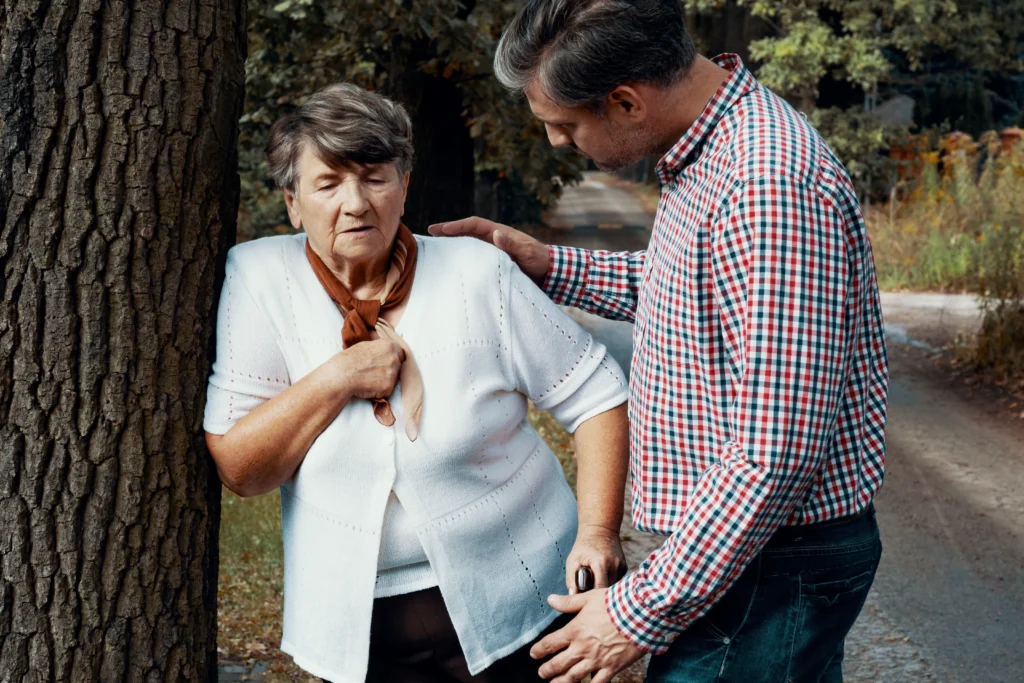
Now 68, Alison also lives with bronchiectasis and tracheomalacia, which can cause her airways to collapse and make breathing even more difficult.
Over the years, she’s learnt to recognise changes in her breathing, understand her triggers and manage her health. But when she connected with Lung Foundation Australia’s free Lung Health Helpline, she discovered just how valuable specialist nursing support could be, even after a lifetime of experience.

Practical guidance and personalised care
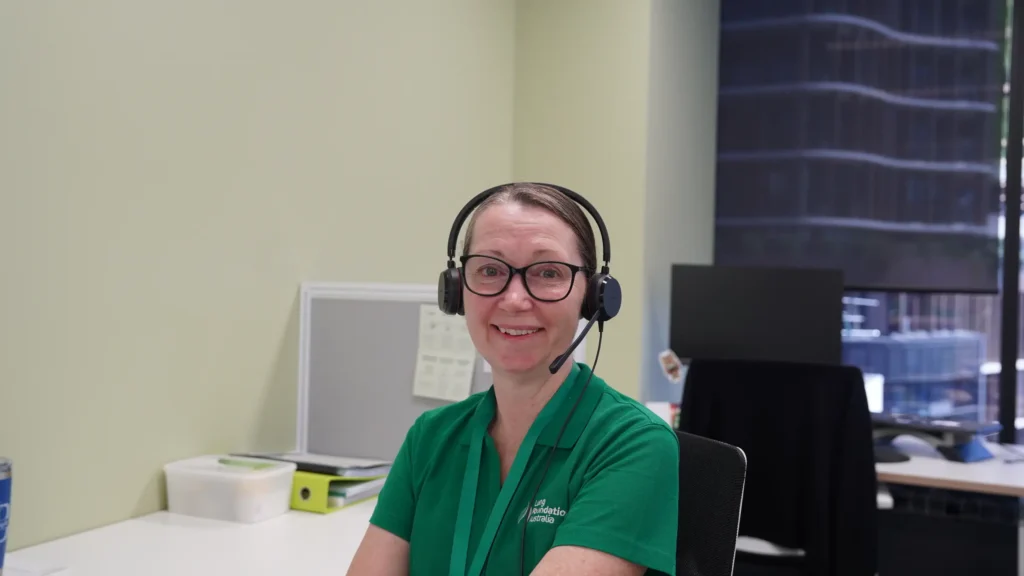
Alison was connected with a specialist respiratory nurse who supported her through a series of telephone appointments.
These weren’t simply conversations about her symptoms. Her nurse took the time to understand Alison’s medical history, discuss how she was managing her lung health and identify areas where additional guidance could make a difference.
Together, they worked through practical aspects of her care:
- Reviewing her asthma management plan. Alison admitted she’d become less attentive to her plan over the years, believing she already knew what to do. Her nurse reminded her why keeping it up to date was important.
- Understanding bronchiectasis management. Alison discovered the importance of having a specific management plan for bronchiectasis, something she hadn’t previously been aware of.
- Checking her inhaler technique. Despite using inhalers for decades, Alison learnt that even familiar routines were worth revisiting to ensure she was using her medication effectively.
- Revisiting respiratory physiotherapy. Her nurse reminded her about respiratory physiotherapy and the breathing and airway clearance techniques that could support her lung health.
Some of this advice was new to Alison. Other conversations refreshed knowledge she’d gained years earlier but had gradually stopped putting into practice.
What made the difference was having someone with specialist knowledge take the time to understand her individual needs and help her identify practical steps to better manage her health.
Helping Alison get more from her specialist appointments
Of all the advice Alison received, one practical exercise stands out.
Her nurse helped her prepare a list of questions to take to her next lung specialist appointment. It sounds simple. But for Alison, it was something she’d never thought to do.
“She gave me a list of questions to ask my lung specialist so that I got the answers I needed and I had no idea that I could do something like that,” Alison recalled.
During their conversation, Alison and her nurse worked through the things she wanted to understand about her health.
What should she do if her medication stopped working? What steps should she take if her symptoms changed? What would happen if she needed to go to hospital?
They wrote the questions down so Alison could raise them directly with her specialist.
Alison knew that specialist appointments could be brief, and that it wasn’t always easy to remember everything she wanted to discuss.
Having those questions prepared meant she could make better use of the time available.
And when she attended her appointment, something changed.
“It meant that I led the conversation, not my specialist.”
Rather than leaving the appointment wondering whether she’d forgotten something important, Alison was able to ask about different scenarios and seek the answers she needed.
For someone who had spent a lifetime navigating complex medical care, that confidence was enormously valuable.
It wasn’t about replacing her specialist’s expertise. It was about helping Alison participate more actively in decisions about her own health.
And it’s a powerful example of what personalised nursing support can achieve
Caring for the whole person
Another aspect of Alison’s nursing support made a lasting impression. Her nurse didn’t focus solely on her lung disease.
She also took time to discuss Alison’s broader wellbeing, including stress, sleep and ways to feel calmer.
Alison described this as being supported on a more holistic level.
Her nurse introduced her to a meditation and relaxation app which Alison began using to explore guided relaxation, breathing and sleep resources.
It became something Alison valued enough to recommend to other people.
For Alison, this broader approach recognised something important: living with lung disease isn’t only about managing physical symptoms. The emotional and practical challenges of managing your health matter too.
Having a nurse who took the time to listen and consider those different aspects of her wellbeing helped Alison feel supported as a whole person.
Support she could return to
Alison’s experience with Lung Foundation Australia didn’t end after her first series of appointments. She later connected with another specialist nurse for a further series of calls.
It gave her another opportunity to revisit her lung health management, refresh her knowledge and discuss the things that mattered to her.
That continuity of support is particularly valuable for people managing lung disease over many years.
Needs can change. New questions arise. And even the most experienced person can benefit from having someone knowledgeable to turn to.
For Alison, the support reinforced the importance of continuing to learn, asking questions and taking an active role in her healthcare.
Three tips for your next medical appointment
Inspired by Alison’s experience, here are three simple ways to get more from your healthcare appointments, whether for yourself or someone you care about.
- Come prepared with questions
Write down anything you’re unsure about before your appointment. Ask what to do if your symptoms change, your treatment isn’t working or you need additional support.
- Don’t be afraid to revisit the basics
Even if you’ve been managing your health for years, it’s worth checking that your treatment plan is up to date, you’re using medications correctly and you’re aware of the support available.
- Talk about your overall wellbeing
Your physical health is only part of the picture. Don’t hesitate to raise concerns about stress, sleep or emotional wellbeing. Your healthcare team can help you explore ways to manage these too.
You make stories like Alison’s possible
Lung Foundation Australia relies on the generosity of our wonderful community to keep our Lung Health Helpline and specialist nursing services free and accessible to Australians who need them.
To everyone who supported our Christmas Appeal, a particularly heartfelt thank you. Your kindness is helping ensure more people like Alison can access expert advice, personalised care and reassurance, without cost being a barrier.
We are incredibly grateful to have you by our side.
We’re here for you too
Whether you’re living with lung disease or lung cancer, or caring for someone who is, Lung Foundation Australia’s free Lung Health Helpline is here for you.
Our experienced nurses and social workers provide free support to people across Australia, with trusted, evidence-based information and practical guidance available from the comfort of home.
Was this page helpful?
Good job! Please give your positive feedback
How could we improve this post? Please Help us.