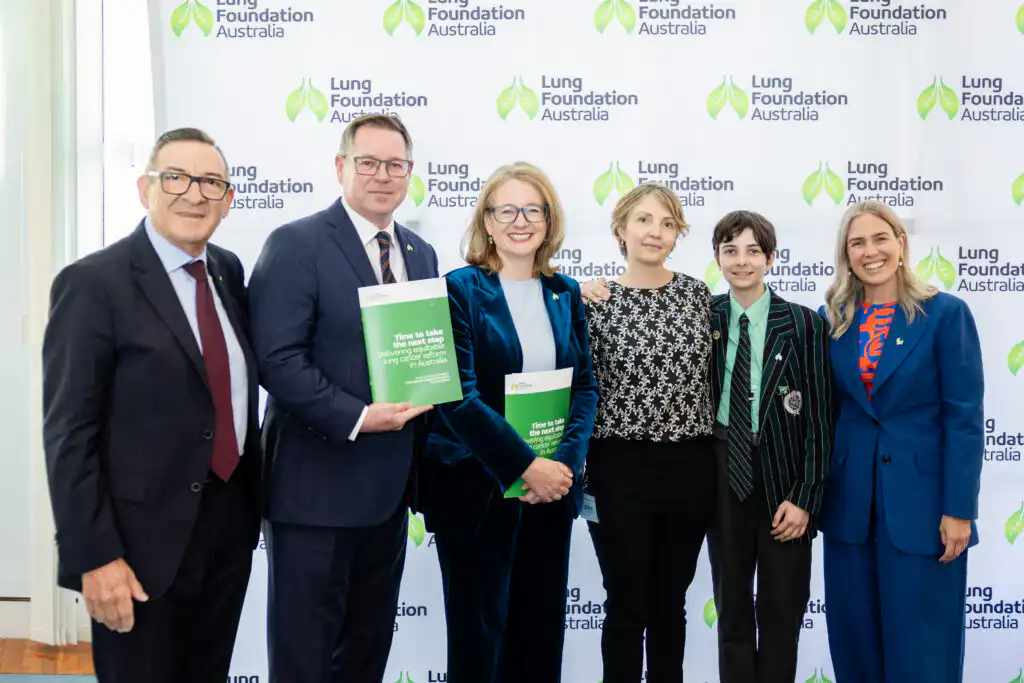
Lung Foundation Australia is calling on the Federal Government to urgently invest in Specialist Lung Cancer Nurses, as lung cancer remains the nation’s leading cause of cancer death yet continues to lag behind other major cancers in funding, support and research.
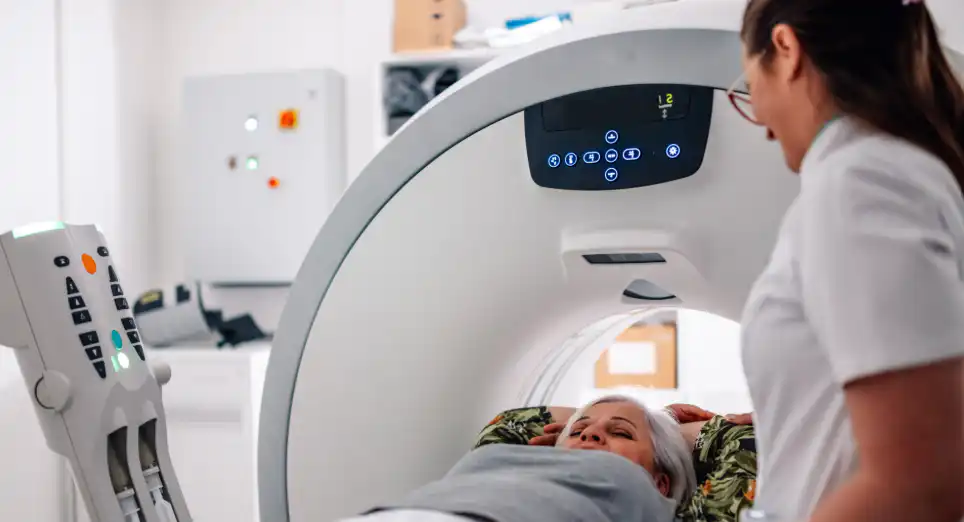
As the first anniversary of the National Lung Cancer Screening Program approaches on 1 July, the organisation warns that early detection alone is not enough without the specialist workforce required to guide patients through diagnosis and care.
Ahead of the Federal Budget on Tuesday 12 May, Lung Foundation Australia says too many Australians are still being left behind.
More than 15,000 Australians were diagnosed with lung cancer last year, with almost 9,000 lives lost, more than breast, prostate and bowel cancer combined.
CEO Mark Brooke said the disparity is stark and demands urgent action.
“Lung cancer is Australia’s deadliest cancer, yet it remains under-recognised, underfunded and burdened by stigma,” Mr Brooke said.
“We’ve seen what sustained, targeted investment can achieve in breast, prostate and bowel cancer. Lung cancer patients deserve that same focus, but right now, they are not getting it.”
Mr Brooke said the upcoming anniversary of the National Lung Cancer Screening Program highlights both progress and a critical gap.
“The screening program is already saving lives through earlier detection. But screening is only the first step, patients then enter one of the most complex diagnostic pathways in cancer care,” he said.
“Without Specialist Lung Cancer Nurses embedded early in that pathway, we risk delays to diagnosis, delayed treatment, and poorer outcomes.”
Lung Foundation Australia is urging the Federal Government to fund its national Specialist Lung Cancer Nurse (SLCN) model, which supports patients throughout their diagnosis.
“Unlike McGrath Foundation, Lung Foundation Australia works in respiratory and diagnostic medicine, supporting people at risk or newly diagnosed where the need is greatest,” Lung Foundation Australia Board Chair and Respiratory Physician, Professor Lucy Morgan said.
“Our nurses are there from the moment lung cancer is suspected, helping patients navigate a highly complex, fragmented system and ensuring timely diagnosis and treatment.”
“Lung cancer is uniquely challenging, often requiring coordination across multiple specialties and services before a diagnosis is confirmed. Patients are frequently unwell and distressed during this period, yet this is where the system is least supported.”
Lung Foundation Australia’s model places Specialist Lung Cancer Nurses within respiratory medicine settings wherever possible, enabling earlier intervention, faster coordination, and better patient experiences.
Despite recent Federal Government investment into cancer nursing services under the Australian Cancer Nursing and Navigation Program, Lung Foundation Australia warns that lung cancer patients risk missing out if funding is not extended to specialist pre-diagnosis care.
“Where you live should not determine whether you survive lung cancer,” Professor Morgan said.
“We have the expertise, the national network, and the proven model. What we need now is sustainable funding to ensure every Australian can access this level of care.”
Lung cancer survival rates remain significantly lower than other major cancers, driven by late diagnosis, inequitable access to care, and ongoing stigma.
Mr Brooke said stigma continues to act as a barrier to care.
“No one deserves to feel blamed for their diagnosis. Lung cancer does not discriminate, and stigma has no place in our health system,” he said.
Lung Foundation Australia provides a national Specialist Lung Cancer Nurse service and a free Lung Health Helpline, connecting Australians with expert, evidence-based support, however access remains inconsistent across the country.
Mr Brooke said Lung Health Awareness Month is an opportunity to refocus national attention.
“This is about equity. Lung cancer patients deserve the same level of investment, care and support as any other cancer group,” he said.
“If we are serious about improving survival, we must invest not just in screening, but in the specialist workforce that makes early diagnosis count.”
Was this page helpful?
Good job! Please give your positive feedback
How could we improve this post? Please Help us.