Lung Foundation Australia has welcomed several significant investments in the 2026/2027 Federal Budget that will support Australians living with lung disease, lung cancer and other respiratory conditions.
With around one in three Australians living with a chronic lung condition, and lung disease continuing to place a substantial burden on individuals, families and the health system, the Budget includes several important measures that strengthen access to medicines, vaccination programs and cancer care.
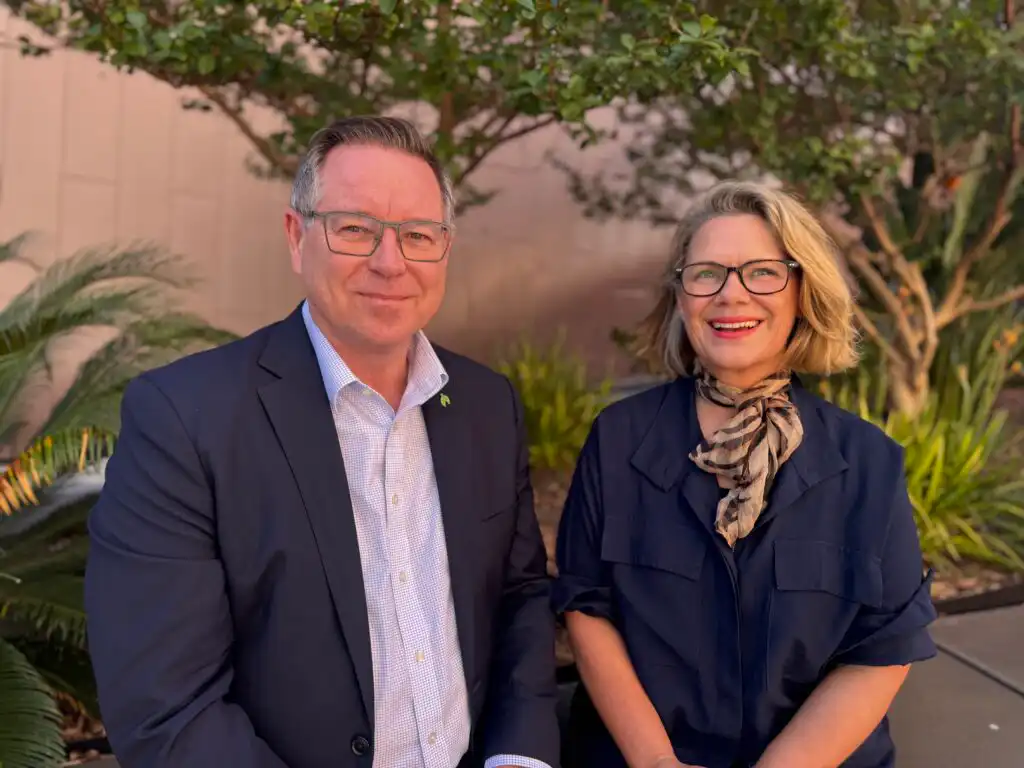
Lung Foundation Australia CEO Mark Brooke said the Budget delivers encouraging progress for the lung health community at a critical time.
“Lung disease is not a niche issue in Australia. It impacts millions of Australians and remains one of the leading causes of illness, hospitalisation and death,” Mr Brooke said.
“In a challenging fiscal environment, it is encouraging to see investments that will directly support people living with lung disease and lung cancer.”
A major Budget commitment includes investing $6.5 billion to deliver cheaper medicines and vaccines. This includes $449.3 million to list the respiratory syncytial virus (RSV) vaccine Arexvy® on the National Immunisation Program for Australians aged 75 years and over, and Aboriginal and Torres Strait Islander peoples aged 60 years and over. As well as $5.9 billion over five years from 2025–26 for new and amended listings on the Pharmaceutical Benefits Scheme (PBS), improving affordable access to important medicines and treatments.
This includes PBS listings for:
- Paxlovid® (nirmatrelvir and ritonavir) and Lagevrio® (molnupiravir) from 1 February 2026 for people at risk of developing severe COVID-19
- Imfinzi® (durvalumab) from 1 April 2026 for patients with lung and bladder cancer.
Mr Brooke said prevention, early detection and equitable access to care must remain national priorities.
“The inclusion of the RSV vaccine on the National Immunisation Program is particularly important for older Australians and people living with chronic lung conditions who are at greater risk from respiratory infections. We hope this is a step toward making the vaccine free for all eligible adults living with lung disease,” he said.
“Affordable access to innovative medicines and cancer treatments can make a life-changing difference for patients and families.”
The budget also includes a $589 million investment in health and medical research which includes $71 million over three years from 2026–27 to continue the Precision Oncology Enabling Clinical Trials (PrOSPeCT) Program, expanding access to comprehensive genomic profiling for patients with advanced, poor-prognosis and treatment-resistant cancers.
The Government have also committed to investing in continued action to address occupational lung disease through activities responding to the National Dust Disease Taskforce final report.
“Thousands of Australians continue to be at risk of occupational respiratory diseases, and to reduce the current and future burden of these diseases, significant investment in research and targeted projects is essential,” Mr Brooke said.
“Lung disease was estimated to cost the Australian health system $15.5 billion in 2023–24, while lung cancer remains one of the nation’s deadliest cancers, with almost 9,000 deaths recorded in 2023 and more than 15,000 new cases in 2025.”
Mr Brooke said the focus must now turn to implementation and ensuring Budget commitments translate into real improvements for people living with lung disease and lung cancer, regardless of where they live.
“In our 2026–27 Federal Pre-Budget Submission, Lung Foundation Australia called for sustained investment in prevention, early detection, equitable access to best-practice care and research,” he said.
“The real test now is delivery, ensuring these commitments lead to measurable improvements in outcomes for Australians living with lung disease and lung cancer in every postcode.”
Was this page helpful?
Good job! Please give your positive feedback
How could we improve this post? Please Help us.