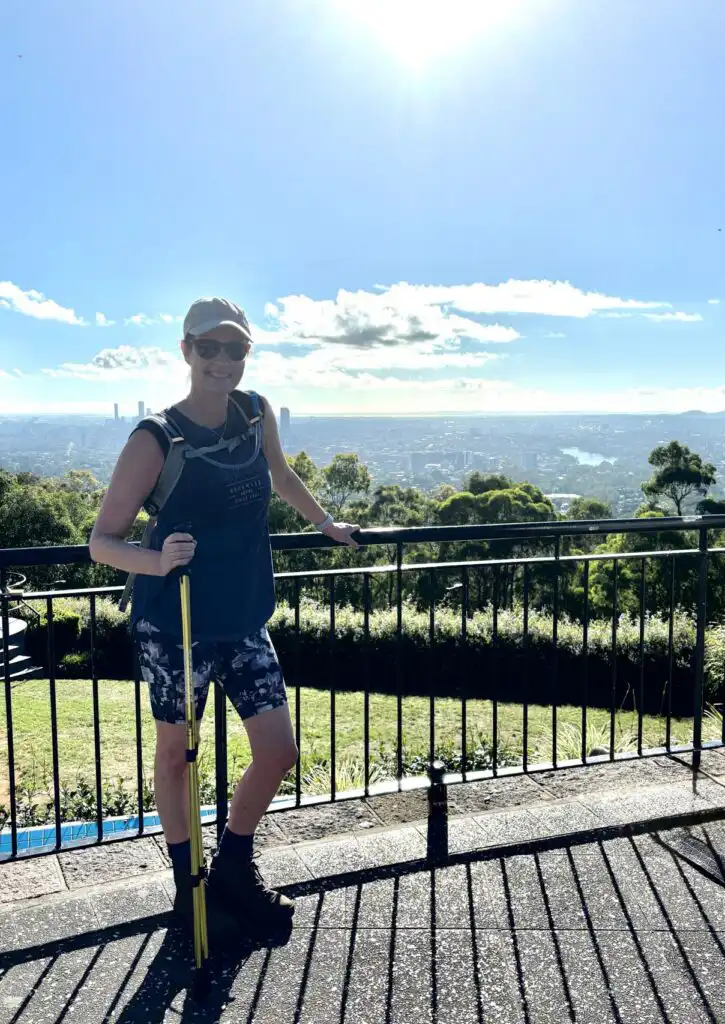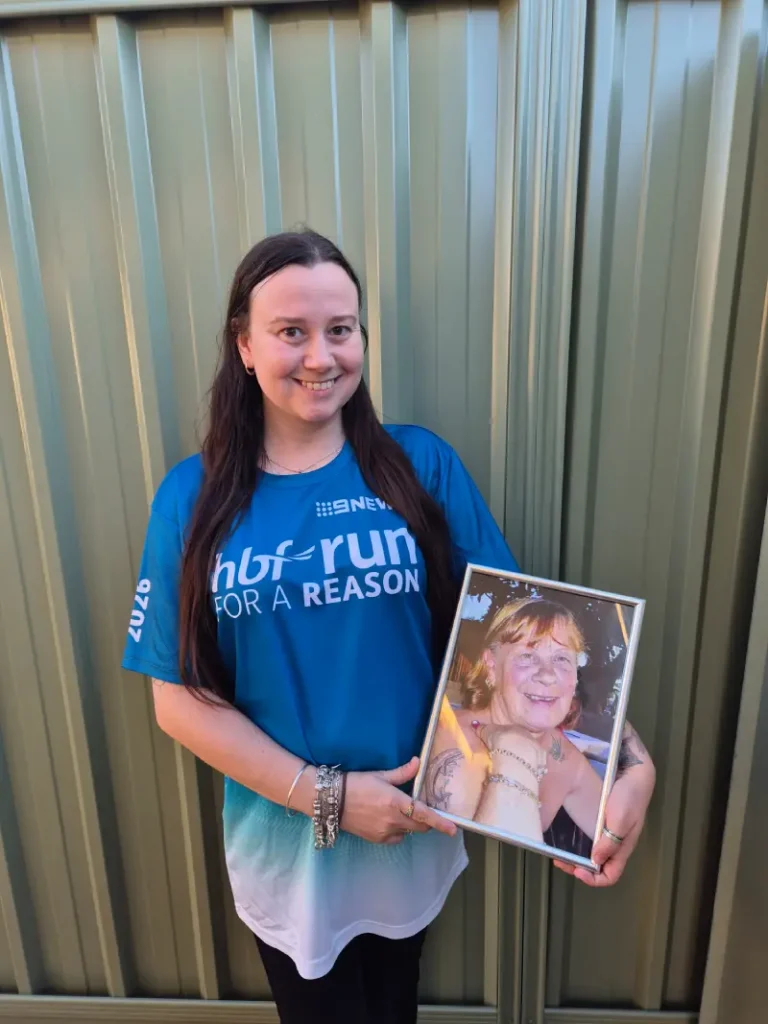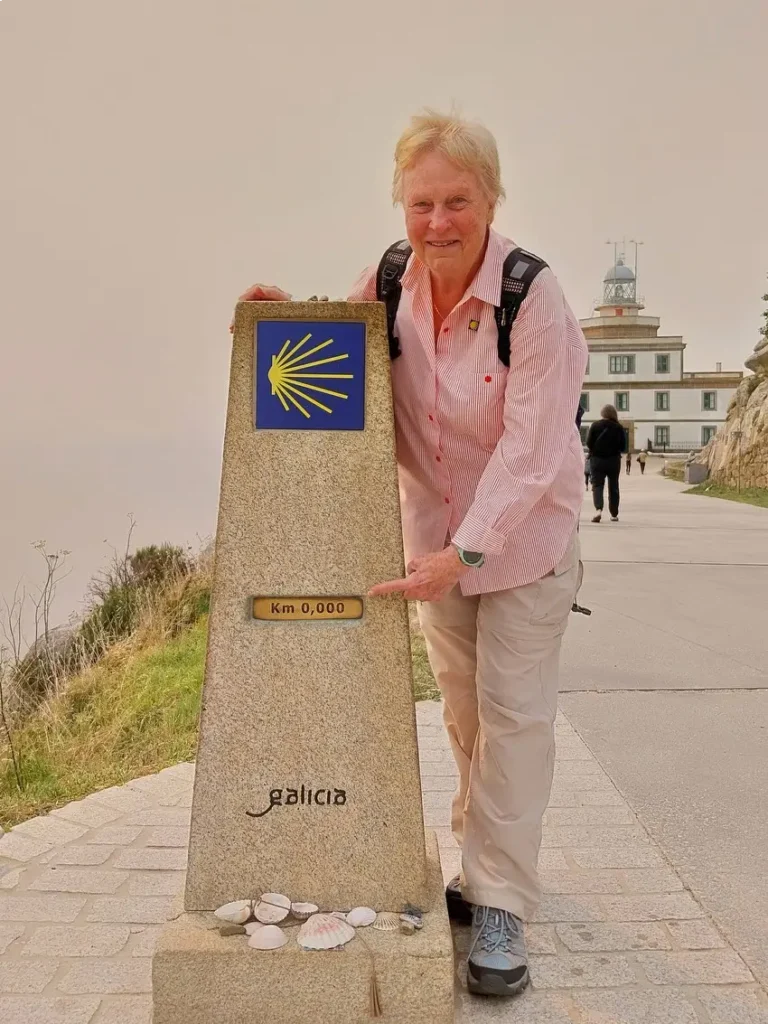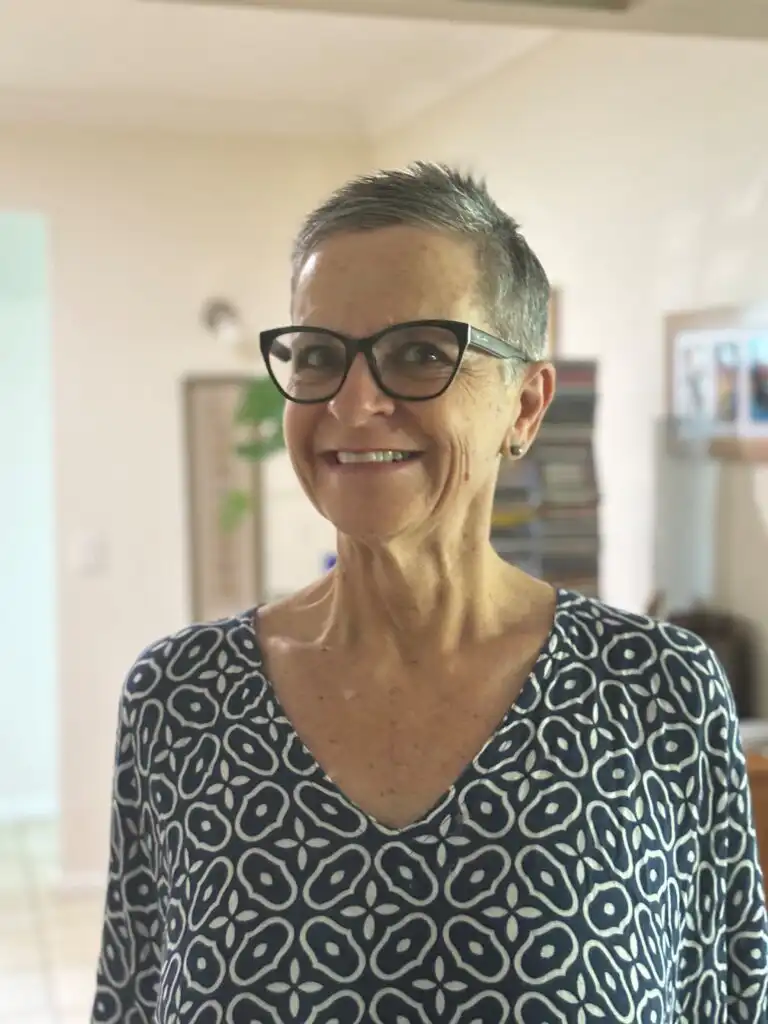
When Penny McKee, a content and communications writer from Port Macquarie, first noticed she was short of breath, she didn’t think it could be anything serious.
She had just turned 40. She was working full time, pregnant with her second daughter, and juggling life with a newborn and a four-year-old. Fatigue made sense. Even breathlessness seemed explainable.
“I would find myself having to draw breath mid-sentence,” Penny recalls.
“I even felt short of breath during yoga meditation. I had always been fit and well, so it felt strange, but I put it down to everything else going on in my life.”
It would take a year before she received the correct diagnosis: lymphangioleiomyomatosis (LAM), a rare, progressive lung disease that almost exclusively affects women.
Getting the Right Diagnosis:
Because LAM is so rare, misdiagnosis is common. Penny was initially told she likely had adult-onset asthma or emphysema, two of the most frequent misdiagnoses for women later found to have LAM.
Her shortness of breath persisted and gradually worsened. Eventually, a CT scan of her lungs revealed the true cause.
For some women, LAM first presents dramatically as a spontaneous pneumothorax, a collapsed lung which can also be misdiagnosed. In pregnant women especially, a collapsed lung with few other systems can be a significant red flag for LAM.
For Penny, the diagnosis was overwhelming, but it was also the first step towards accessing specialist care and support.
Accessing Specialist Care and Support
After her diagnosis, Penny connected with the LAM community and was referred to St Vincent’s Heart and Lung Clinic, where she came under the care of LAM specialist Dr Deborah Yates and the late Associate Professor Alan Glanville.
Regular monitoring is now part of her routine. Every six months, she undergoes lung function tests and six-minute walk tests to track changes in her lung capacity.
For the first seven years following her diagnosis, Penny’s daily life was not greatly impacted. She continued teaching full time while raising her daughters with her husband Cameron.
Then she experienced a collapsed lung, marking the beginning of more noticeable changes in her lung function.
Treatment Options and Looking Ahead
Penny has been treated with Everolimus, a medication that can help slow the progression of LAM in some people.
Eleven years on from lung surgery, her mobility has significantly declined. Walking long distances can be difficult. She avoids stairs and heavy lifting, uses a disabled parking permit, and flies with oxygen when travelling. Booking wheelchair assistance at airports, she says, has been “an absolute game changer.”
A few years ago, Penny underwent assessment for a lung transplant.
“There was a ‘not yet’ moment,” she says. “Now I feel like I’m approaching the ‘ready’ moment.”
These conversations are never easy, but having a specialist team provides reassurance and a clear pathway forward.
Finding Strength Through Support
Penny credits her support network with helping her navigate life with a rare disease.
Her husband Cameron is “endlessly supportive,” and her daughters, now 22 and 18, help without hesitation. Friends continue to show up when it matters most.
The LAM community has also been an “endless well of information and support,” connecting her with others who understand the realities of living with a rare disease.
LAM Australia has recently merged with Lung Foundation Australia, strengthening advocacy, awareness and research for rare lung diseases.
“It feels like LAM has taken a seat at a very reputable table,” Penny said.
“Being part of Lung Foundation Australia will help raise awareness, drive research, and build stronger collaborative networks.”
Penny’s Message to Others
Today, Penny works in a flexible communications role, goes to the gym, and continues travelling with her family, recently returning from their third overseas trip.
Her message to others living with LAM is simple:
“Let the individual decide what they can or can’t do. If you have a condition that impacts your life, make the adjustments you need.”
Was this page helpful?
Good job! Please give your positive feedback
How could we improve this post? Please Help us.