Lung Foundation Australia welcomes the Australian Government’s decision to include AREXVY [Recombinant Respiratory Syncytial Virus pre-fusion F protein (RSVPreF3) (AS01E adjuvanted vaccine)] on the National Immunisation Program (NIP), for the prevention of lower respiratory tract disease caused by respiratory syncytial virus (RSV) in older adults.
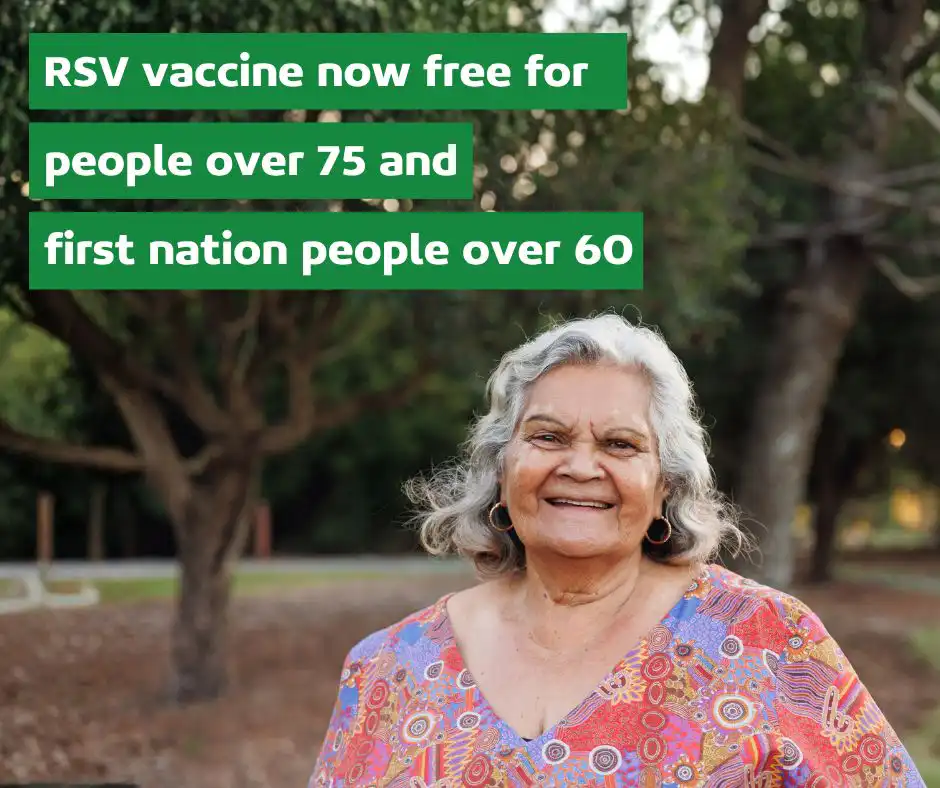
From 15 May 2026, more than 2 million Australians aged 75 and over, and Aboriginal and Torres Strait Islander people aged 60 years and over, will be able to receive the funded AREXVY vaccine, as part of a national effort to reduce serious illness caused by RSV.
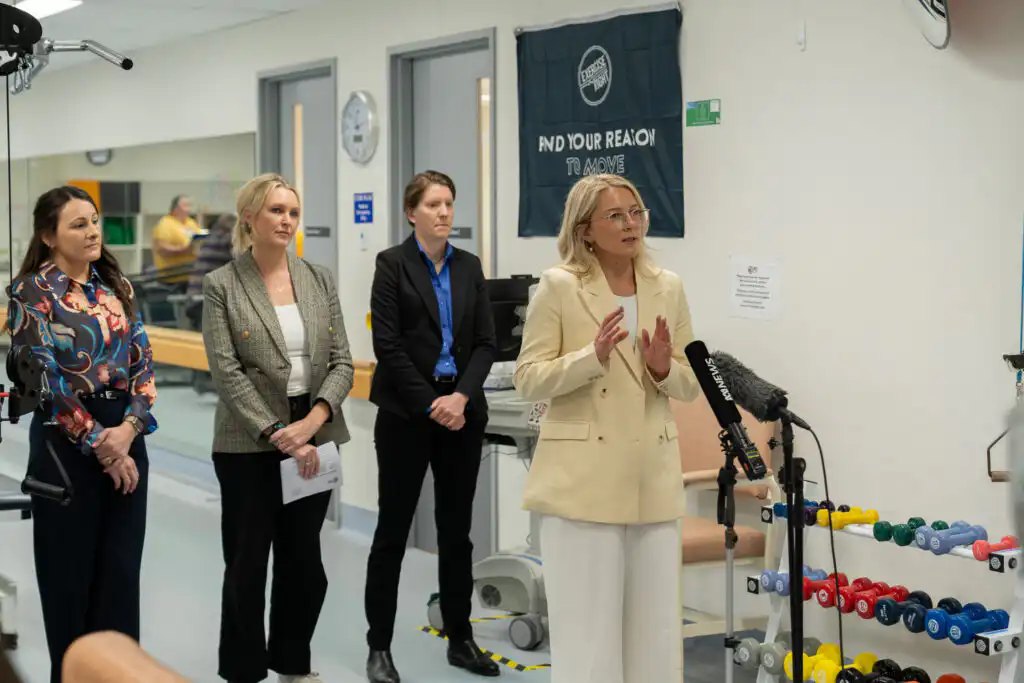
“Including an RSV vaccine for older adults on the National Immunisation Program is a clear signal that immunisation is a lifelong strategy, which doesn’t stop at childhood,” said Catherine Hughes, Co-Founder and Executive Director of Immunisation Foundation Australia. “It will help to protect older adults from serious respiratory illness whilst preventing avoidable hospital admissions and easing pressures on the health system during peak respiratory seasons.”
RSV is a common, contagious respiratory virus, which spreads mainly via inhalation of respiratory droplets from infected people and through contact with contaminated surfaces. Symptoms are often similar to other acute respiratory infections, blocked or runny nose, cough, tiredness, sore throat, muscle aches and headache. However, RSV can cause severe illness in older adults, sometimes leading to hospitalisation and in rare cases, death. A laboratory test is required to confirm an RSV diagnosis.
“We regularly hear from older Australians whose lives are disrupted after a severe RSV infection, particularly those already managing conditions like COPD or asthma,” said Mark Brooke, Chief Executive Officer of Lung Foundation Australia. “Funded access to an RSV vaccine gives older people at highest risk, an important opportunity to make an informed decision that may prevent serious illness, stay out of hospital, and help maintain their quality of life.”
An Australian study has shown that while RSV hospitalisation rates are highest in young children, older adults who are hospitalised with RSV experience longer hospital stays and more in-hospital deaths compared with young children, partly because immunity tends to weaken with age, making it harder for older adults to fight off infections like RSV.
Older adults discharged after an RSV hospitalisation may face long‑term health complications, increased need for care and loss of independence. Aboriginal and Torres Strait Islander peoples are disproportionately represented among RSV hospitalisations. People with chronic conditions, including COPD, asthma, congestive heart failure and diabetes, have a greater likelihood of severe disease and hospitalisation due to RSV compared with people without these conditions.
In Australia, RSV infections can occur all year round but usually peak in autumn and winter in temperate areas, and after the rainy season in tropical regions. In 2025, Australia experienced almost 180,000 cases of RSV nationwide, with more than 40,000 cases in adults over 60, according to the National Notifiable Diseases Surveillance System.
RSV infection is a nationally notifiable disease and viewed by the Federal Government as a risk to public health, alongside other respiratory diseases like influenza and COVID.
“Inclusion of AREXVY on the National Immunisation Program demonstrates GSK’s commitment to protect older Australians from RSV. This decision recognises the significant health burden RSV can place on older adults and Aboriginal and Torres Strait Islander people,” said Dr Alan Paul, Executive Country Medical Director, GSK Australia.
AREXVY is now available and funded on the NIP for Australians aged 75 and over and Aboriginal and Torres Strait Islander people aged 60 and over. Outside of these groups, AREXVY is indicated for adults aged over 60 years, and adults 50-59 years who are at increased risk of RSV disease but is not funded under the NIP for these groups. Older adults should consult their healthcare professional for further information on RSV.
AREXVY was registered by the Therapeutic Goods Administration (TGA) in Australia in 2024, based on the results of GSK’s international phase III clinical trial program involving 17 countries, including Australia, which compared AREXVY with placebo in almost 25,000 older adults.
Patients should consult with their healthcare professional for further information on RSV.
Was this page helpful?
Good job! Please give your positive feedback
How could we improve this post? Please Help us.